
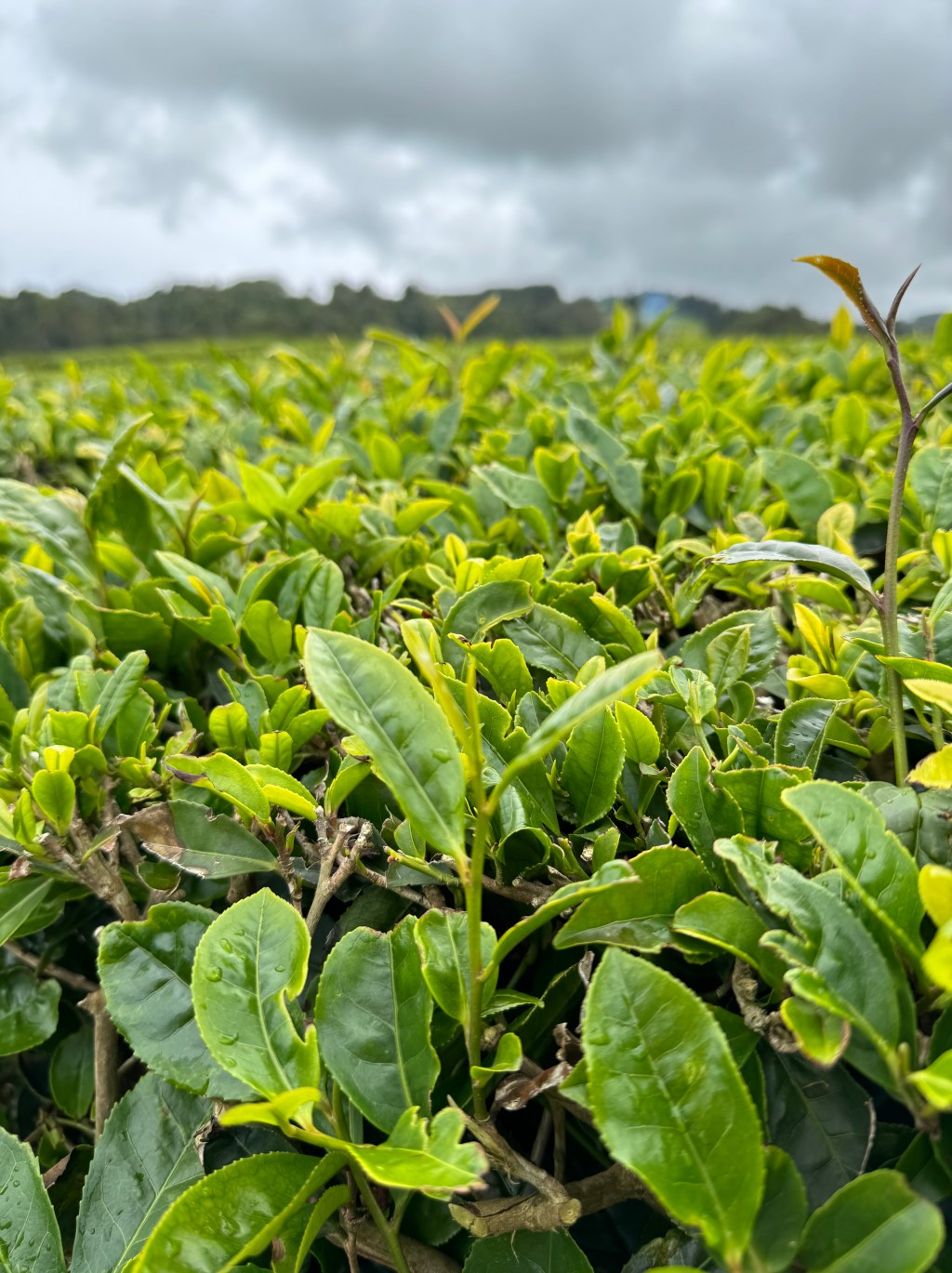
This page is dedicated to helping tea newcomers understand the difference between tea and a tisane and give you some examples of each.
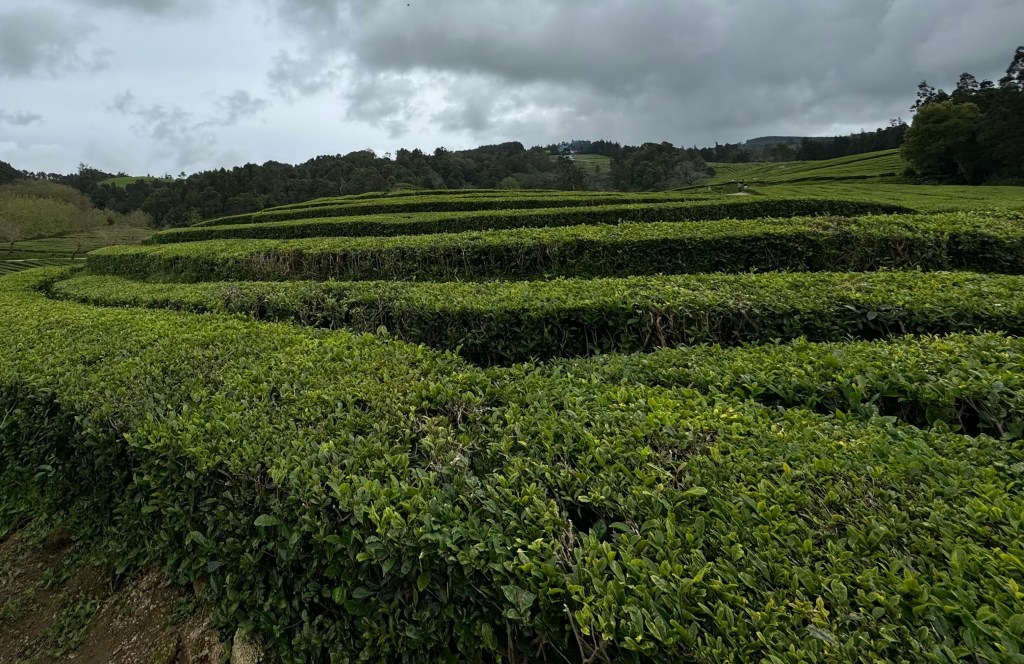
Tea, the drink, can only technically be called so if the beverage you are making comes from the plant called Camellia Sinensis. If you are drinking something that does not contain any bit of Camellia Sinensis, then you are drinking a Tisane. the technicality stems from the origins of the word tea to an ancient Chinese word used to describe the plant, hence why “tea” has to refer to Camellia Sinensis.
There are 6 major types of tea that I explain more in depth HERE. Each type is different from one another by a multitude of processing methods that change the behavior of the flavors and chemical compounds within the tea.
The 6 major types of tea are:
- Green Tea (Sencha, Dragon Well, Matcha)
- Black Tea (Breakfast Blends, Darjeeling, Kenyan)
- Oolong Tea (Iron Goddess of Mercy, Big Red Robe)
- White Tea (Silver Needles, White Peony)
- Yellow Tea (Rare, usually Chinese)
- Dark Tea (Pu’erh, Tteokcha)
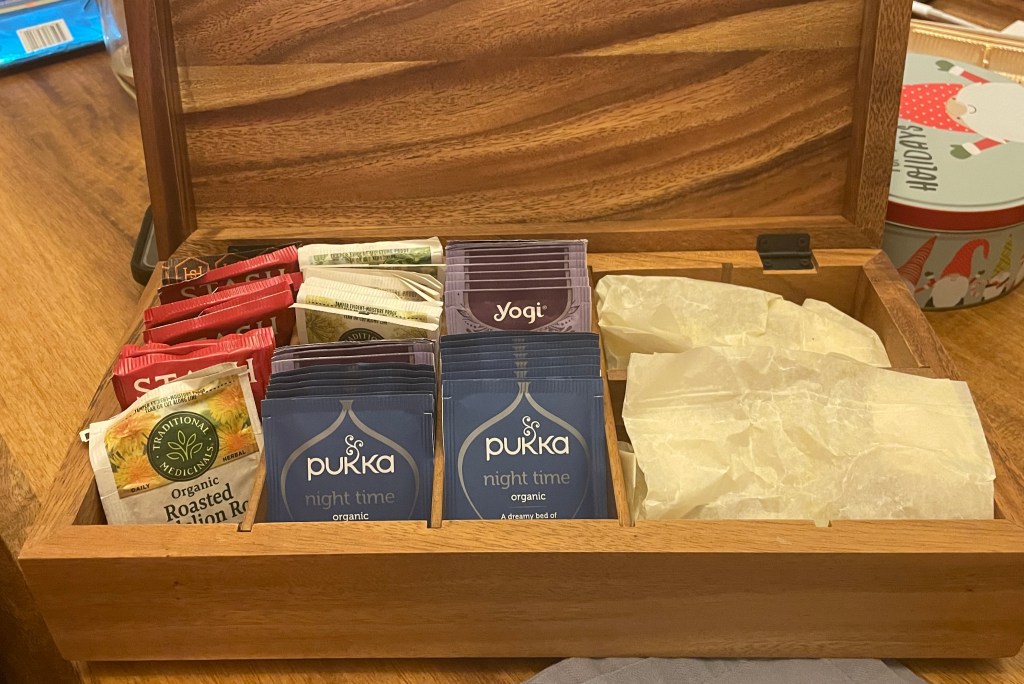
Tisanes, the drinks, are beverages that are often made from steeping various plants or roots in boiling water to extract certain flavors or chemicals. You are more than likely familiar with the more common name “herbal tea.” Despite being called a tea, none of these herbal teas are technically tea. That does not mean they aren’t delicious or serve their own purpose!
There are dozens of examples of these tisanes. Some main categories are:
- Leaf-based (Peppermint, Spearmint, Raspberry Leaf)
- Flower-based (Chamomile, Lavender, Chrysanthemum)
- Fruit-based (Apple, Elderberry, Peach)
- Spice-based (Ginger, Turmeric, Fennel)
- Root/Bark-based (Rooibos, Chicory root, Ginseng)
- Grain-based (Barley, Corn, Buckwheat)
- Caffeinated Plants (Yerba Mate, Yaupon Holly, Guayusa)
- Tea! (yep, tea is technically a tisane that forged its own category over time)
Often times, you will see brands blending some herbal ingredients with a base of Camellia Sinensis. In that case, thats tea! Just with herbal additions to modify flavors.
 Leaf After Leaf